


Sify Technologies
Admin

Edge Computing : 5 Problems it Solves for Enterprises
In the current digital landscape, enterprises are battling with a plethora of challenges posed by explosive growth of data and the need for real-time responsiveness at edge. Traditional cloud computing architectures are struggling to keep up with the demands of modern businesses. It has pushed enterprises to constantly lookout for innovative solutions that can help enhance their operations and gain a competitive edge.
This has led to the rise of Edge Computing, a paradigm that brings computation and datastorage closer to the source of data generation, enabling processing at faster speed and higher volumes. By decentralizing processing power and reducing latency, edge computing addresses several critical challenges faced by enterprises today. As per Statista, the global edge computing market is expected to reach 12 billion US dollars by 2028 at a CAGR of 23.97% from 2020-2028.
In this blog, we will delve into the 5 fundamental challenges that it solves for enterprises, helps revolutionize their capabilities, and how it paves the way for an efficient and agile future.
5 problems Edge Computing can solve for Enterprises.
- Latency and real time processing
In the era of immediate access to information, reducing latency and achieving real-time responsiveness has become paramount for businesses. In traditional cloud architectures, data must travel from the edge devices to the centralized cloud servers, causing delays in processing and response times. Edge computing addresses this challenge by moving computational resources closer to the edge devices, thereby minimizing latency. By processing data locally at the edge, businesses can achieve near real-time analysis and decision-making, enabling time-sensitive applications like IoT, industrial automation systems to operate with lightning-fast speed and minimal delay.
For instance, retail environments with video surveillance of the showroom floor can be combined with actual sales data to discover consumer demands or most desirable product configurations. Similarly, in the healthcare sector, IoT devices enable healthcare professionals to be more watchful and connect with patients proactively. By sharing real-time data collected from IoT devices, physicians can help analyze and identify patients’ health issues. - Bandwidth optimization with Edge analytics
With the explosion of connected devices and the exponential growth of data generation, bandwidth has become a valuable and often limited resource. Transmitting all data to the cloud for processing and analysis can strain network infrastructure, result in increased costs, and lead to suboptimal network performance. Edge computing offers a solution by performing data processing and filtering at the edge devices themselves.
By deploying servers and storage at the source of data generation, edge computing makes latency and congestion virtually non-existent as storage collects and processes the raw data, while local servers implement edge analytics to pre-process it before sending to the cloud. So, instead of sending raw data to the cloud, only relevant information or actionable insights are transmitted, significantly reducing bandwidth consumption. This optimization not only saves costs but also enhances overall network efficiency, allowing enterprises to make the most of their available resources. - Enhanced Data security
Security and privacy are critical concerns for enterprises, especially when dealing with sensitive data. Centralized cloud architectures present potential vulnerabilities, as data must traverse the network, making it susceptible to interception or attacks. Edge computing, on the other hand, distributes data processing and storage closer to the source, reducing the attack surface. By processing data locally, sensitive information can be kept within the enterprise’s network perimeter, minimizing the risk of unauthorized access and data breaches.
Any data traversing the network back to the data center or cloud can be secured using encryption techniques. This decentralized approach enhances security and provides enterprises with greater control over data privacy, mitigating potential risks associated with storing and transmitting sensitive information. Additionally, it improves reliability and protects users’ privacy as well. - Scalability and cost efficiency
Edge computing minimizes the capital outlay and operating expenses. Centralized cloud architectures often face limitations when it comes scaling resources to meet evolving requirements. With edge computing, scalability is inherently built into modern architecture. The distributed infrastructure allows enterprises to easily scale their computing power by adding or removing edge devices as needed. Whether it’s adding new edge servers, edge nodes, or gateways, enterprises can dynamically scale their computing resources and distribute the computational load across a network of edge devices to handle increasing workloads or accommodate fluctuations in demand.
Edge computing offers several cost-saving benefits. First, by reducing the amount of data required to be transmitted to cloud servers. Second, by minimizing data storage costs as it’s stored and processed locally. Additionally, edge computing reduces the need for extensive network infrastructure upgrades as enterprises can make use of existing local network connections. Lastly, by offloading processing tasks to edge devices, enterprises can minimize their dependency on high-cost centralized cloud resources. This enables them to allocate resources more efficiently and avoid the need for overprovisioning, leading to cost savings. - Governance and Compliance
Enterprises operating in heavily regulated industries, such as healthcare and finance, face stringent compliance requirements regarding data storage and processing. Storing and processing sensitive data in public cloud environments can raise concerns about compliance with data protection regulations. For instance, data sovereignty law such as European Union’s GDPR defines how data should be stored, processed, and exposed.
Edge computing offers a viable solution by allowing enterprises to process sensitive data locally. By keeping critical data within their own infrastructure, organizations can ensure compliance with regulatory requirements and maintain better control over their data. This level of control and adherence to regulatory standards helps mitigate compliance risks, enabling enterprises to navigate complex legal frameworks more effectively.
Wrapping up!
As users continue to generate an ocean of data, edge computing works as a most efficient solution for enterprises. By embracing edge computing, enterprises have the opportunity to optimize resource allocation, improve system performance, and unlock new opportunities for innovation, efficiency, and competitive advantage in the ever-evolving digital landscape. However, when searching for the right partner, make sure to engage with a trusted partner like Sify with deep industry expertise, proven hybrid/multi cloud platform, automation capabilities through AI/ML, and a comprehensive portfolio of services designed to accelerate performance, increase scalability, and strengthen security in your edge deployments.


The Benefits of Colocation Data Center Management for Enterprises
Data centers have evolved into becoming a crucial component of the digital IT infrastructure of many global enterprises today. The demand for data center services in India is experiencing remarkable growth as enterprises aim to deliver superior customer experience, accelerate innovation, and become digitally enabled.
According to 6Wresearch, the data center market in India is expected to grow at a CAGR of 10.7% during 2021-2027. This growth can be attributed to key drivers such as the Indian government’s push towards digitalization, increasing Internet penetration, data sovereignty, accelerated cloud adoption, increasing usage of IoT, and the rollout of 5G. Similarly, according to GlobeNewswire, the value of the data center market in India is expected to rise to $10.09 billion by 2027 at a (CAGR) of 15.07% in the period of 2022 to 2027.
Managing a data center in India is getting more intricate by the day in today’s digital landscape. Enterprises find managing data centers to be complex and time-consuming. They need professional expertise, substantial budgets, and excellence in IT infrastructure execution to manage data centers. To meet the evolving digital demands and ensure business continuity, enterprises are now resorting to colocation, i.e. outsourcing of data center management to professional service providers. This delivers cost savings and a range of benefits, including access to subject matter experts, improved operational efficiency, agility, scalability, risk mitigation, enhanced security, and compliance with industry regulations.
To know more about Sify’s colocation data center services read here: Colocation data centre
Advantages of colocation of data center management
Here are a few advantages of colocation of data center management for enterprises:
- Cost Savings: Building and maintaining a data center requires significant capital investment and operational expenses. By leveraging the model of colocation of data center management, enterprises can transfer these costs to a service provider that has already invested in infrastructure, equipment, and personnel. This empowers enterprises to free up capital that can be redirected toward other strategic initiatives. Additionally, it can help businesses avoid losses incurred from downtime and data breaches in the long run. Moreover, colocation positively impacts Water Usage Effectiveness (WUE) and Power Usage Effectiveness (PUE) by promoting improved energy efficiency. Utilizing the capabilities of Artificial Intelligence and Machine Learning, data centers can experience savings of up to 8% to 10% on PUE. This not only contributes to environmental sustainability but also helps enterprises meet their energy efficiency goals, while maintaining optimal performance and increased savings.
- On-demand Scalability: When a business grows, its IT requirements change significantly and may require additional space, computing power, and capacity. Colocation enables enterprises to easily scale up or down as per requirement without incurring additional capital expenses or disrupting their business operations. Data Center service providers can quickly deploy new servers, storage, and network infrastructure or adjust existing configurations to meet changing business needs.
- Automation and AI/ML: Implementation of AI/ML requires careful consideration across multiple parameters. Providers of colocation data center management services can handle large volumes of data, integrate with existing solutions, and enable predictive maintenance, which ultimately helps enterprises gain deeper insights for faster decision-making, automating processes, and delivering increased efficiency & security.
- Access to Subject Matter Experts (SMEs): Colocation of data center management gives enterprises access to subject matter experts who possess specialized knowledge and experience in data center operations. They come with skills, guidance, solutions, and recommendations that can help enterprises optimize performance and minimize risks as well as free up internal resources for performing core business operations.
- Enhanced Data Security: Data security has always been a major priority for enterprises. With data dispersed across multiple touchpoints in a hybrid work model, enterprises need a multi-layer security framework. Service providers ensure comprehensive security measures across the physical security of a DC and the data hosted across on-premise, colocation, or edge to cloud. Specialized service providers come with the expertise and systems to meet industry regulations, protect sensitive data, and minimize compliance risks. Enterprises must make sure that service providers offer:
- A designated Security Operation Center (SOC) to ensure robust and resilient security
- Faster intrusion detection and prevention through multiple protocols
- Data backup and recovery in different seismic zones
- Compliance with the latest data privacy regulations and industry standards
- Adherence to Service-Level Agreements (SLAs): By adhering to the pre-defined SLAs, enterprises can enjoy benefits such as improving operational excellence, accountability, performance monitoring, risk mitigation, and cost optimization. SLAs also ensure service providers deliver the expected quality of service, provide regular reports and establish procedures for addressing issues and non-compliance penalties, which benefit enterprises.
- Improved Reliability and Business Continuity: Colocation enables enterprises to improve reliability and business continuity through specialized expertise, scalability, planning, and improved security measures. Enterprises can leverage the experience of service providers, scale resources efficiently, and solve issues proactively. This ensures there are no disruptions in business operations.
- Constant Technological Advancement: The colocation of data center management provides enterprises with constant technological advancement, including cloud on ramp capabilities. Service providers offer expertise in emerging technologies, regular infrastructure upgrades, access to cutting-edge technology, flexibility, and smooth integration through private direct connections to the cloud. It allows enterprises to be resilient and future-ready without compromising on technology and connecting their on-premises infrastructure to cloud computing systems.
Evaluate your data center needs to make the right choice
When an enterprise identifies a service provider for data center management services, it must evaluate its options based on its unique business objectives and digital priorities. Enterprises must go beyond the basic minimum criteria and focus on key differentiating factors. They must choose a service provider that focuses on:
- Cloud vision and strategy
- Hyperscale partnerships
- End-to-end managed services across multi/hybrid cloud environments
- Interconnect services to other sites and partner ecosystems
Colocation of data center management can be a valuable strategy for enterprises looking to maximize their IT resources and stay competitive in today’s rapidly-advancing digital landscape.
Sify Technologies has been providing reliable and robust data center services for the last 22 years, with a razor-sharp focus on innovation and new technologies. With the objective of delivering delightful experiences, enhanced efficiency, and desired outcomes to our customers, we have equipped all our data centers in India with automation through AI/ML capabilities. This has resulted in creating a sustainable ecosystem of connected data centers. We offer enterprises benefits such as zero downtime, reduced capital expenditure and operational expenditure, and around-the-clock support through our bankable digital data center infrastructure. Our efforts have delivered up to 20% improvement in the turnaround time to deliver critical projects.
What’s more! We also help enterprises realize up to 300 person-hour savings every month by automating customer billing. Our predictive approach to maintenance helps enterprises realize up to 20% reduction in MTBF, up to 10% improved MTTR, and up to 10% reduction in potential downtime. We comply with all the global standards and policies to prevent enterprises from penalties due to non-compliance.
Learn how our state-of-the-art data centers enable enterprises to achieve their desired business goals.


Role of Enterprise Managed Wi-Fi in the Era of IoT and Smart Devices
In the rapidly evolving landscape of the Internet of Things (IoT) and smart devices, reliable and efficient connectivity is paramount. Managed Wi-Fi services play a crucial role in enabling seamless communication and data exchange between IoT devices. The explosion of mobility & BYOD, enterprise virtualized applications moving to the cloud, increased use of multimedia-rich applications within the enterprise, and infrastructure modernization are a few of the core business drivers for increased adoption of enterprise managed Wi-Fi services.
With unprecedented advancements in IoT, data modeling, and AI/ML, there is a consistently growing focus on edge computing and its benefits. Enterprises are accelerating efforts to move to the cloud for on-demand computing, capacity, scale, better reach, scalability, and higher availability. Additionally, the managed Wifi services eliminate the traditional Wi-Fi challenges like lack of uniform access policy, no visibility into the wireless network, inadequate protection against wireless threats, complex or tedious onboarding process, and lack of visibility on user groups.
According to Marketsandmarkets, the global edge computing market size as per revenue surpassed $44.7 billion in 2022 and can rise to $101.3 billion by 2027 at a CAGR of 17.8% for the forecasted period (2022-2027).
This blog explores the significance of Enterprise Managed Wi-Fi services in supporting the proliferation of IoT and smart devices, the challenges they address, and the benefits they bring to businesses and consumers.
- Connectivity and device management
Managed Wi-Fi services offer a fully managed, secure wireless platform integrating Information Technology (IT), Operation Technology (OT), and people. It provides a robust infrastructure for connecting and managing a multitude of IoT devices. It offers a cloud-based centralized management platform with control and monitoring capabilities enabling enterprises to configure and manage their IoT devices efficiently. From provisioning and onboarding to security protocols and firmware updates, these services streamline the device lifecycle, reducing operational complexities and enhancing overall device management. - Security and data protection
Managed Wi-Fi services enable a security posture which is crucial in the IoT landscape. The managed Wi-Fi services offer robust security features to protect IoT devices and the data they generate. By processing sensitive data locally or within a private network using network segmentation, edge devices can minimize data exposure to potential cyber threats as they’re isolated from other network resources. Managed Wi-Fi services also enable regular security updates and patches to address emerging threats, enhancing the overall security posture of IoT deployments. - Bandwidth management
With the growing adoption of connected devices, scalability becomes a critical factor as transmitting a large amount of data to the cloud for processing can strain network bandwidth and incur significant costs. Enterprise Managed Wi-Fi services are designed to handle large-scale deployments enabling enterprises to seamlessly scale their IoT networks. Enterprises can prioritize critical applications and optimize network resources using advanced bandwidth management techniques to ensure IoT devices receive the optimal bandwidth for their operations, preventing congestion, maintaining smooth communication between devices, and more efficient network utilization. - Reliability and performance
IoT applications and Smart devices often require real-time data exchange and low-latency connectivity. Managed Wi-Fi ensures high reliability and performance for IoT devices by optimizing network configurations and minimizing interference. They employ techniques like load balancing, channel selection, and Quality of Service (QoS) prioritization to maintain a stable and responsive Wi-Fi network. Edge computing reduces the latency required for sending data to a remote cloud server for processing. By processing data at the edge of the network, closer to the devices generating the data, response times can be significantly reduced. It is important for applications that require real-time or near-real-time processing, such as industrial automation and remote monitoring. - Analytics and insights
Enterprise Managed Wi-Fi enables real-time analytics into network performance and device behavior, giving enterprises decision-making capabilities at the network edge. They collect and analyze data on network traffic, device connectivity, and usage patterns, offering actionable intelligence to optimize network resources and improve overall IoT operations. These insights can help identify potential bottlenecks, optimize device placement, and enhance user experiences. Additionally, analytics-driven predictive maintenance can proactively detect and address anomalies, reducing downtime and increasing the lifespan of IoT devices. - Scalability and cost-efficiency
Edge computing allows for distributed computing resources, enabling scalability and cost-efficiency. Instead of relying solely on centralized cloud infrastructure, edge devices can share the computational load and distribute the processing tasks. It can result in reduced network congestion, lower costs associated with cloud resources, and improved scalability to accommodate the increasing number of IoT devices and data volumes.
Wrapping up!
With the growing digital landscape and IoT integration across enterprises, the need to deliver secure, seamless customer and employee experiences become a top priority. Enterprise Managed Wi-Fi services provide a reliable and secure connectivity infrastructure to deliver seamless device management, ensure scalability, optimize network resources, quick & accurate decision making, enhanced production planning, logistics, complete mobility for your workforce, and lower IT support costs.
As the IoT landscape continues to expand, Managed Wi-Fi services will remain crucial in delivering seamless and efficient connectivity for a wide range of applications, enhancing productivity, efficiency, and user experiences.
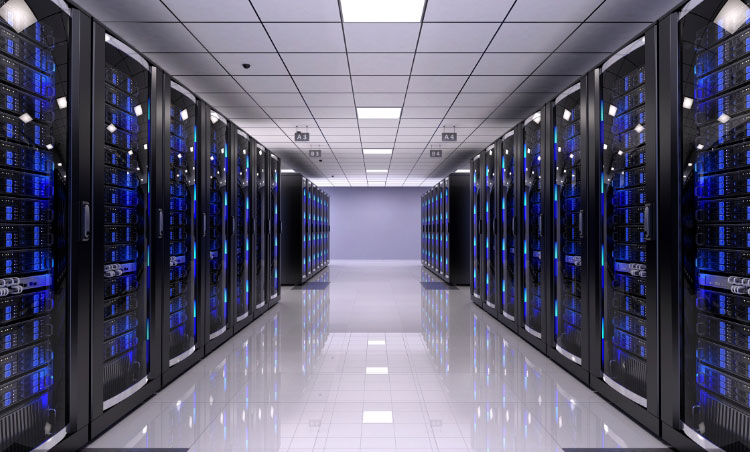
How to choose the right data center service provider for your needs
During the COVID-19 pandemic, it became increasingly difficult for organizations to manage their in-house data centers due to challenges with scalability, break/fix support, and operations and maintenance staffing requirements. As a result, many organizations moved their in-house data center to a colocation provider and some of their applications to public clouds.
Modern-day data center powerhouses provide not only the necessary infrastructure and state-of-the-art technology but also advanced data analytics and automation capabilities. They offer streamlined operations, business continuity, reduced Capex/Opex, flexible engagement models, superior end-customer experience, support for business expansion, and accelerated digital transformation, among other outcomes.
Selecting the right data center: Key factors in play
Data center service providers typically offer an extensive array of services to accommodate diverse customer requirements. These include on-premise solutions, colocation options, wholesale and retail offerings, hyperscale capabilities, as well as specialized offerings like built-to-suit (BTS) data centers, green data centers, and comprehensive managed services. Businesses can find tailored solutions that align with their specific needs and preferences. It is important to choose the right data center service provider that can provide such integrated services, based on your business objectives and digital priorities.
[Interested to know more about Sify’s world-class data center facilities? Learn more]
Here are some factors to consider when selecting a data center service provider:
- Scalability: Rack space is a critical and limited commodity for many service providers. Selecting world-class data center providers with the capacity to build campuses capable of accommodating 8,000+ racks and 50 MW IT capacity, for example, will enable businesses to plan their scale-up within their choice campus. They also stand to benefit from a robust support/service stack and comprehensive monitoring of the data center infrastructure.
- Security: Be sure to prioritize data centers with robust security systems. IT infrastructure protection, including data security through encryption, firewalls, intrusion detection, and prevention, needs to be implemented – at the very minimum. Your data center service provider should also have multilayer physical security from the perimeter wall up to the cage, including mantraps, turnstiles, and biometric access control, in addition to surveillance cameras and security personnel, to restrict unauthorized individuals from entering secure areas or accessing confidential information.
- Network connectivity: Choose a data center provider with excellent network connectivity, including multiple internet service providers (ISPs) offering IP transit nodes, high-speed connections, multi-cloud connectivity, data center interconnectivity, and connectivity to customer premises. Data centers should have at least 3-4 fiber entry paths to the building, ensuring seamless connectivity and resilience. Additionally, the presence of low-latency cloud on-ramp services, including cloud access nodes, facilitates fast and direct interconnection with public cloud applications. These aspects collectively contribute to creating a robust, efficient, high-performing, and well-connected data center environment.
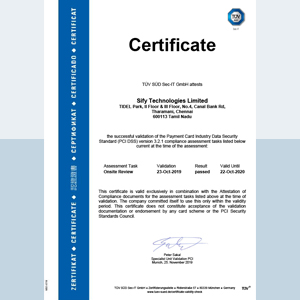
- Certificates, SLAs, and compliance: When selecting a data center provider, the importance of having the necessary certificates and service level agreements (SLAs) cannot be overstated. Certifications from industry authorities are highly desirable as they validate the provider’s adherence to industry best practices, process reliability, and security standards. A tier-3 data center with ISO 27001, ISO 20000, PCI-DSS, SoC 1, SoC 2 and ISO 1400, and ISO 50000 certifications is ideal. With its robust compliance framework, 99.99% uptime, and clear SLAs outlining performance commitments, Sify’s data centers deliver the highest levels of security, operational excellence, and environmental responsibility to customers.
- Industry experience: Data centers that have subject matter experts across functions can prove instrumental in managing diverse workloads. Extensive cross-industry experience gives them the ability to address the unique requirements of various sectors, such as finance or healthcare. For example, as a leading data center service provider in India, Sify has extensive experience across diverse industry sectors. Sify’s digital data center infrastructure services offer real-time visibility, measurability, predictability, and service support specifically required by different industries to offer customers high availability and seamless experiences.
- Green power: Many organizations today have committed to ESG goals, such as carbon neutrality, waste reduction, and power conservation. In this context, it becomes important to choose a data center provider that is invested in renewable energy, achieved by signing Power Purchase Agreements (PPA). Solar and wind power are increasingly viable options for clean energy. By choosing a data center service provider that adopts sustainable measures including renewable power, energy-efficient equipment, and practices, your business can achieve environmental goals while benefiting from competitive energy costs.
Adherence to safety practices, rules, and regulations are also key EHS considerations. Leading green data center service providers, like Sify, invest in transparent, environmentally conscious, and ethical business practices, adhering 100% to local and global regulations, and outperforming the competition when it comes to sustainability, corporate social responsibility, and people practices.
[Going green? Know how Sify’s green data centers are pushing the envelope on sustainability. Learn more]
- Data center footprint: Data centers strategically located in multiple regions ensure low latency and high-speed network connections, enabling efficient data transmission and improved user experience. A widespread presence allows data centers to establish diverse network routes and redundancy, minimizing the risk of network failures or disruptions.
- Partnership with hyperscalers: Hyperscale partnerships enable data centers to offer seamless integration with leading cloud platforms, offering flexible hybrid cloud solutions and enhanced performance. Ensure you choose a service provider that banks on the power of partnerships and leverages the sharing of expertise and resources to stay at the forefront of technological advancements.
- Automation and innovation: AI/ML-driven automation is increasingly important in developing innovations that optimize operations, reduce costs, enhance performance, improve reliability and sustainability, and elevate service quality. Integration of AI/ML in vendor performance evaluation and SLA management, including metrics like MTTR and MTBF, further strengthens operations. For instance, Sify’s AI/ML capabilities have contributed to significant improvements of over 20% in project delivery turnaround time, showcasing the tangible benefits of data analytics in the data center domain.
- Backup and DR: It is essential to consider the risk of natural disasters such as earthquakes, floods, hurricanes, or wildfires. Select a location with minimal risk to ensure the safety and longevity of your IT infrastructure. It is also crucial to select a data center service provider with adequate backup and disaster recovery (DR) capabilities. This ensures that in the event of an unforeseen incident, the data center can quickly recover operations with little or no data loss.
Wrapping up!
While these parameters will provide you with a solid basis for comparison, allow yourself to make the final decision based on your business’s specific objectives. Remember, there’s no one-size-fits-all approach when it comes to choosing a data center service provider.
As India’s pioneering data center service provider for over 22 years, it has been Sify’s continuous endeavor to innovate, invest in, and integrate new-age technologies. Learn more about how our state-of-the-art data centers have been delivering transformative business value to enterprises across the globe.

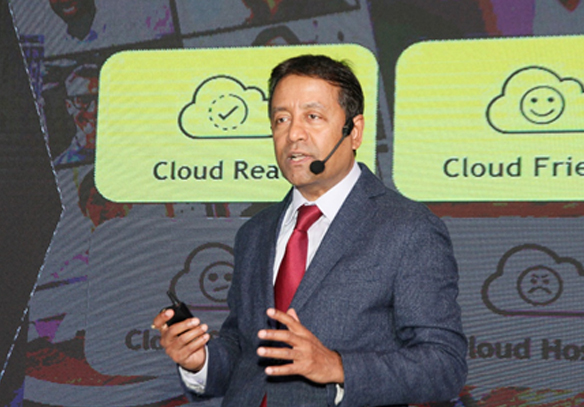
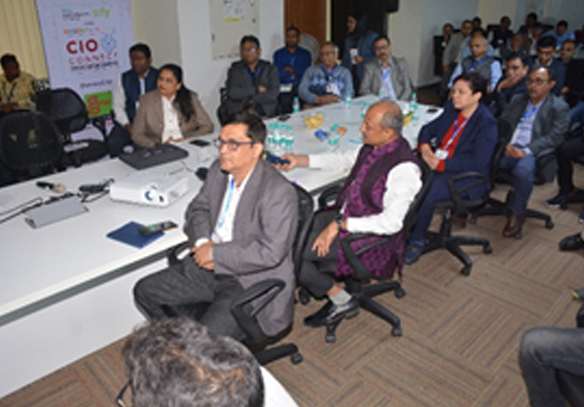
Sify-HPE CIO Connect, Kolkata
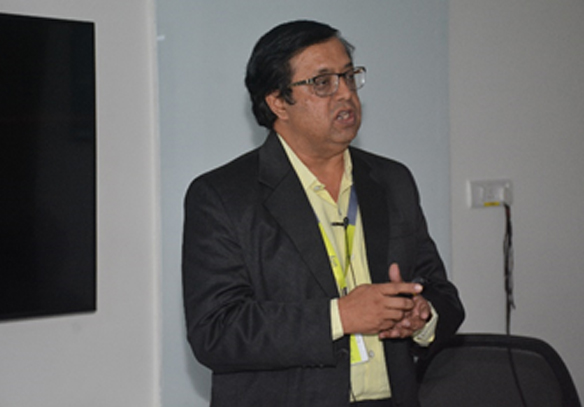
Interactive session with Data Center Expert – Mr. N. K. Singh
Mr. N. K. Singh discussed various aspects of Data Center essentials such as planning, due diligence, health checks, and outages. The session was followed by a small discussion around Sify’s Data Center capabilities by Mr. Girish Dhavale, CTO, Data Center & Colocation Services.
Sify Kolkata DC Tour
The CIOs were given a guided tour of Sify’s state-of-the-art Cloud Data Center in Kolkata. At the conclusion of the Data Center tour, the guests were shifted to the venue – Taal Kutir Convention Center at Taj Hotels.
Fireside Chat and Audience Q&A
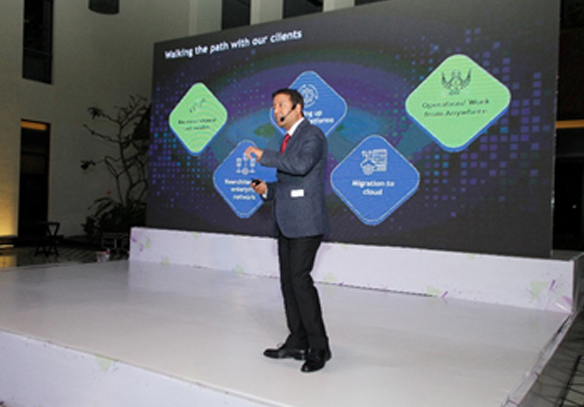
At Taal Kutir Convention Center the guests witnessed a sharp and insightful talk by Mr. Kamal Nath, CEO, Sify Technologies on “CIO Agenda 2023: Re-balancing through re-calibration.” Kamal also spoke about changes in the lives of CIOs and their priorities in the post-pandemic era. This session was followed by a Fireside Chat & Audience Q&A with Kamal Nath from Sify Technologies and Bhawna Agarwal from HPE- India.
Special Session with World-renowned Mentalist Mr. Roy Zaltsman
The event concluded with a special performance from world-renowned mentalist from Israel, Mr. Roy Zaltsman, who mesmerized the audiences with his quirky antics and mindboggling acts.
Venue
Kolkata DC Office + Taal Kutir Convention Center – Taj Hotels, New Town Kolkata
Date
13th Jan 2023
Time
3:00 pm – 8:30 pm
Organizer/partner
HPE, INFOCOM (ABP)
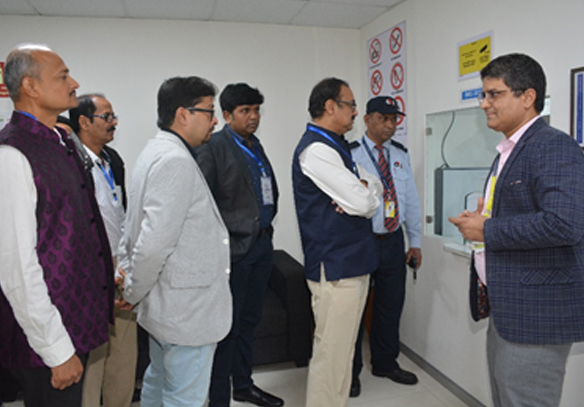


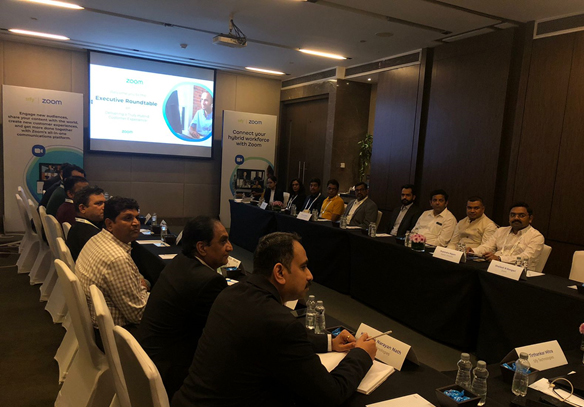
Sify-Zoom Executive RoundTable Conference
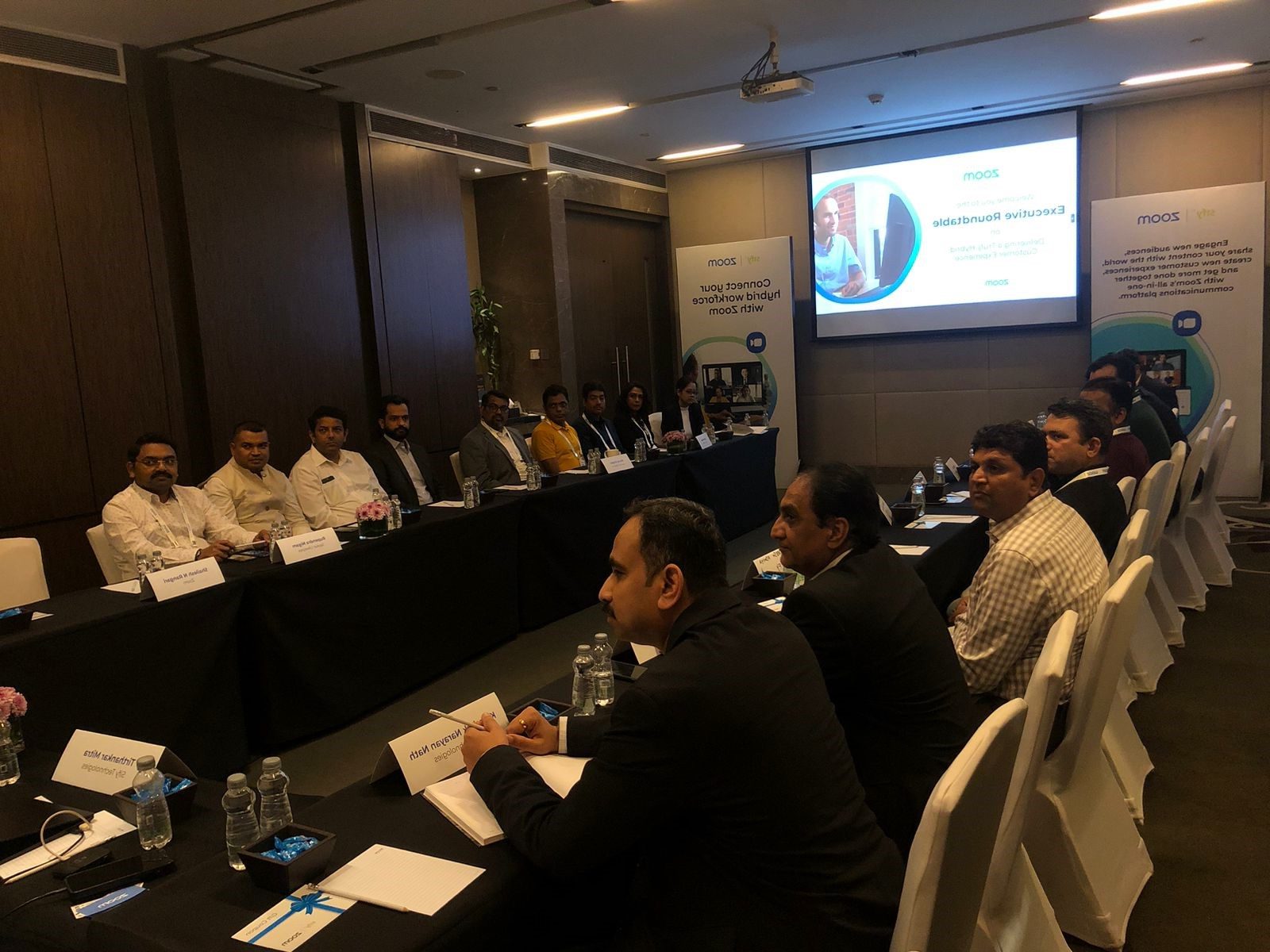
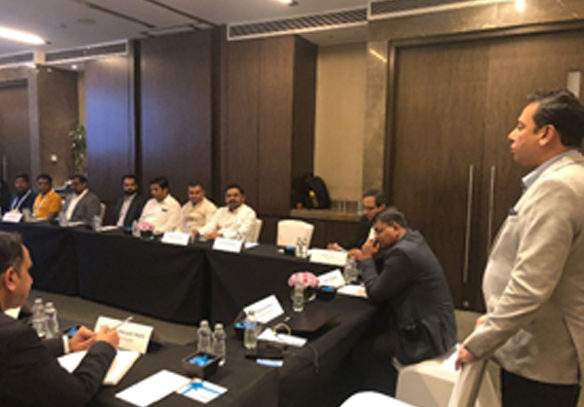
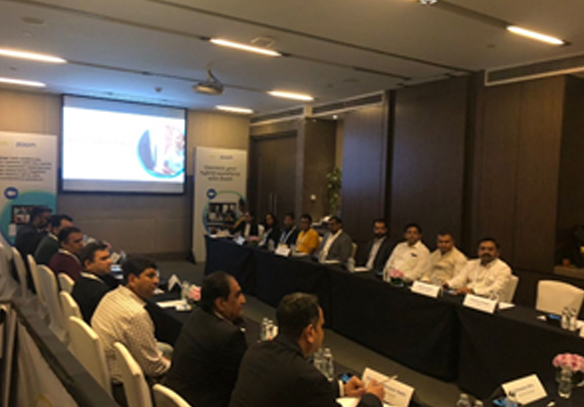
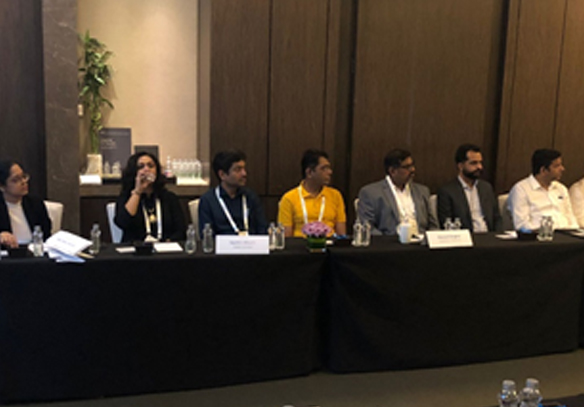
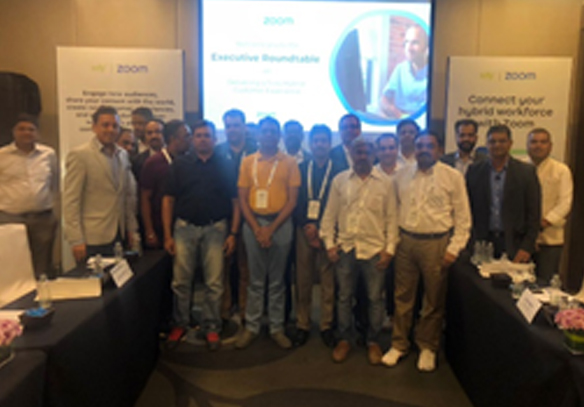
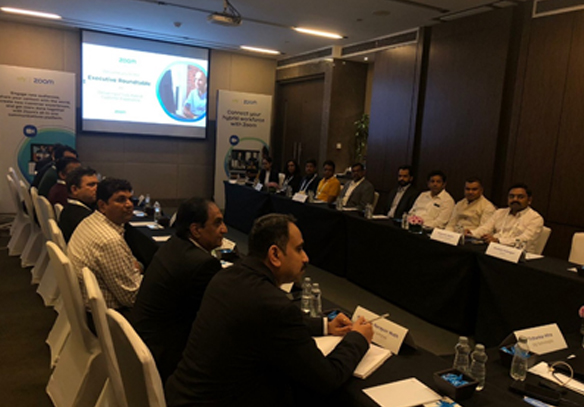
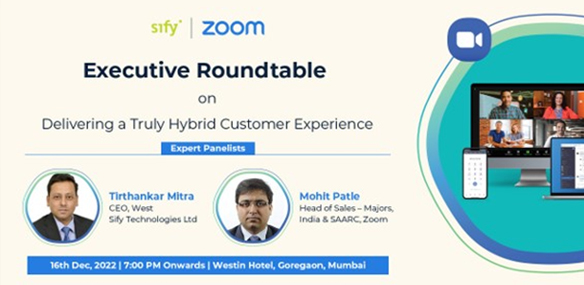
Sify, in partnership with Zoom conducted a RoundTable conference on “Delivering a Truly Hybrid Customer Experience” for MRD Segment.
The 90-minute discussion, moderated by Tirthankar Mitra, witnessed 12 CIOs share their valuable insights on how organizations are having to rethink traditional customer service business models and pivot to generate a positive experience that re-establishes brand stickiness.
Key points highlighted during the engaging discussion:
- Role of employee experience and empowerment of internal teams in customer retention and satisfaction.
- Importance of building better synergies between teams to elevate the overall customer experience.
- Role of Sify in addressing these and how Sify can help Cooperative banks to take the next step towards Digital transformation.
- Emerging trends with regards to adoption of collaboration solutions in building trust.
- How does an enterprise create a positive CX that establishes brand stickiness.
Venue
The Westin Hotel, Goregaon, Mumbai, Maharashtra
Date
16th Dec 2022
Time
06:00 pm – 10:00 pm
Partner
Zoom

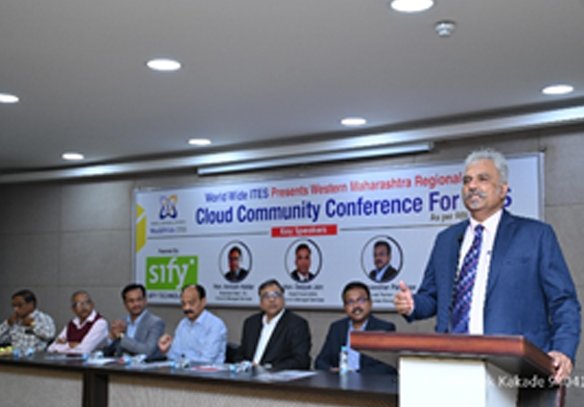
Cloud Community Conference for BFIS
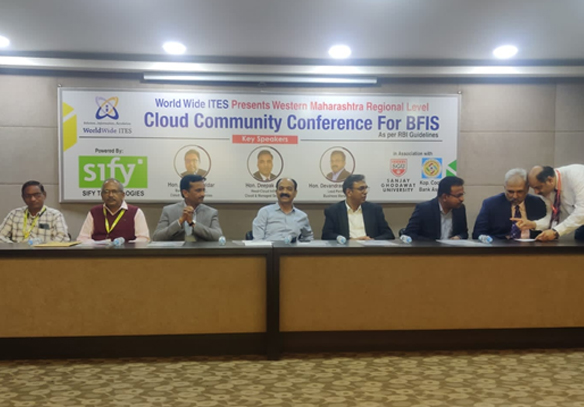
Sify, in collaboration with its channel partner WorldWide ITES, concluded the Cloud Community Conference for BFIS.
The conference was focused on addressing the following:
- RBI guidelines for Cloud Computing for Cooperative banks and NABARD Initiatives.
- Cloud Frameworks, Data security for cooperative banks in line with RBI guidelines.
- Role of Sify in addressing these and how Sify can help Cooperative banks to take the next step towards Digital transformation.
- The Economics of Cloud: Are CXOs Falling for Baits?
- Is Cloud Taking Center Stage?
The conference was powered by Sify Technologies with interactive sessions from Anitosh Halder on Cloud Adoption enabled by a modern hybrid Cloud Platform, Deepak Jain on Cloud computing framework for Co-operative Banks followed by an interactive open session with the attendees.
Following were some key concerns raised by the attendees:
- High DB License price
- Data Security in Cloud
- Will Cloud migration result in manpower reduction?
- Will Cloud migration create more training challenges in Ops.?
Venue
Sanjay Ghodawat University campus, Kolhapur, Maharashtra
Date
15th Dec 2022
Time
9:00 am – 5:00 pm
Organizers
World Wide ITES







India Cloud Summit
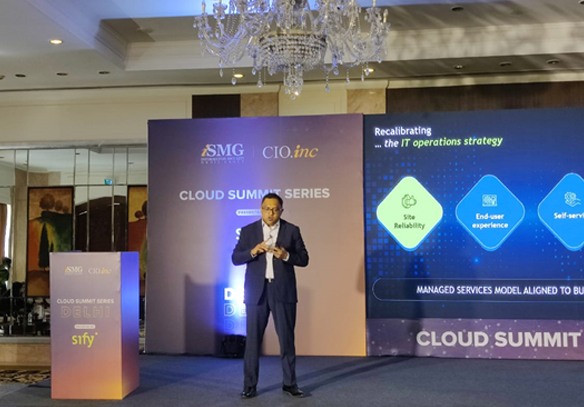
Sify Technologies, participated as a presenting partner in the annual CIO.inc’s India Cloud Summit 2022 – (Delhi, Bangalore & Mumbai) to discuss the potential of growth with cloud and to address its challenges. The summit featured key stakeholders discussing topics of strategic importance and sharing ideas for the future.
The summit was followed by an exclusive CXO roundtable while focusing on the topic: Efficient Cloud Migration for Cloud-native, Future-ready Business.
The daylong event featured many industry veterans discussing and delivering their thoughts and viewpoints on various topics like:
- Business Transformation: How Cloud-Based Platforms Help in Gaining Business Agility, Enterprise of the Future
- Does Cloud Address Demands of a Legacy Business and Promote Growth?
- Re-balancing through re-calibration: CIOs operationalizing pandemic-era innovation
- The Economics of Cloud: Are CXOs Falling for Baits?
- Is Cloud Taking Center Stage?
The CXO roundtable was primarily a healthy discussion with more than 10 CXO’s on: Efficient Cloud Migration for Cloud-native, Future-ready Business.
The Spotlights were on the following pointers:
- Changing business objectives and need for cloud modernization.
- Challenges of migrating and modernizing mission-critical workloads in cloud
- Intelligent approaches to process and governance issues in managing disparate cloud environments.
- Creating innovative Cloud-native architectures for future-ready business
- Capabilities of Sify in creating seamless migration and post-migration scenarios with tech prowess from AWS
Venue
Delhi, Bangalore, and Mumbai
Date
23th, 25th and 29th Nov 2022
Organizers
ISMG


The Modern Marketer Needs a Data-First DAM Solution
Credits: Published by our strategic partner Tenovos.
In an era of increasing personalization, the key to successful marketing campaigns is effective storytelling that reaches the right audience with the right message at the right moment. If this chemistry between audience, content, and timing is the key to success, creative and marketing professionals have to rely on next-generation asset management technology that can guide them toward the right combinations by replacing guesswork with data, and surrounding content with context.
Traditionally, Digital Asset Management platforms (DAMs) have focused on assisting teams to manage their digital assets and move them from inside the organization to external partners and platforms. The premise is simple: a central repository where brands can store their assets alongside relevant metadata to make everything easy to find — photos and videos, logos and tear sheets, and any other brand collateral that needs to be used and reused.
At its most basic level, a good DAM solution enables marketers to do their jobs more efficiently. More modern DAMs employ AI and machine learning to automatically add relevant tags to assets, so teams can spend less time on tedious tasks like tagging or finding assets and more time on the creative and analytical areas of their jobs. The most advanced DAM platforms, however, go beyond managing and moving assets, to actually measuring their performance in their context of use.
Building a DAM for the Modern Enterprise
Over the past 20 years, the pace of change in technology has exploded, while the DAM category has lagged behind in innovation. Brands have come to expect an exceptional, personalized user experience complete with smart insights from their marketing platforms, and DAM should be no exception. As marketing becomes increasingly fast-paced and data-driven, it’s time for a completely new and different DAM experience — one that can meet the demands of an increasingly tech-savvy industry and understands its pain points.
The first and most important question that a DAM provider should ask is, ‘how does my solution help marketers do their jobs more effectively?’ That is, after all, the central goal of a DAM system: to make it easier and more efficient for creators and marketers to collaborate to design and execute successful campaigns. In other words, if finding an asset within the DAM system and searching through emails to find it take approximately the same amount of time, the system is not making teams more efficient — it’s simply adding a layer of complexity to their martech stack.
Creating a Seamless User Experience
Not all DAM platforms are created equal. One common issue that many enterprises face is the inability to seamlessly integrate their DAM platform with the rest of their marketing ecosystem, which can essentially negate the efficiencies gained by using an asset management solution in the first place. Considering that the code base of many solutions currently on the market is over a decade old (older, in some cases), this is a problem that will only get worse over time as marketers look to incorporate new tools and technologies into their workflows. Consequently, it’s important to find and implement a solution that leverages the use of modern technologies — such as AI/ML, micro-services, graph databases, and serverless environments — that will be able to maintain its speed and flexibility in the years to come.
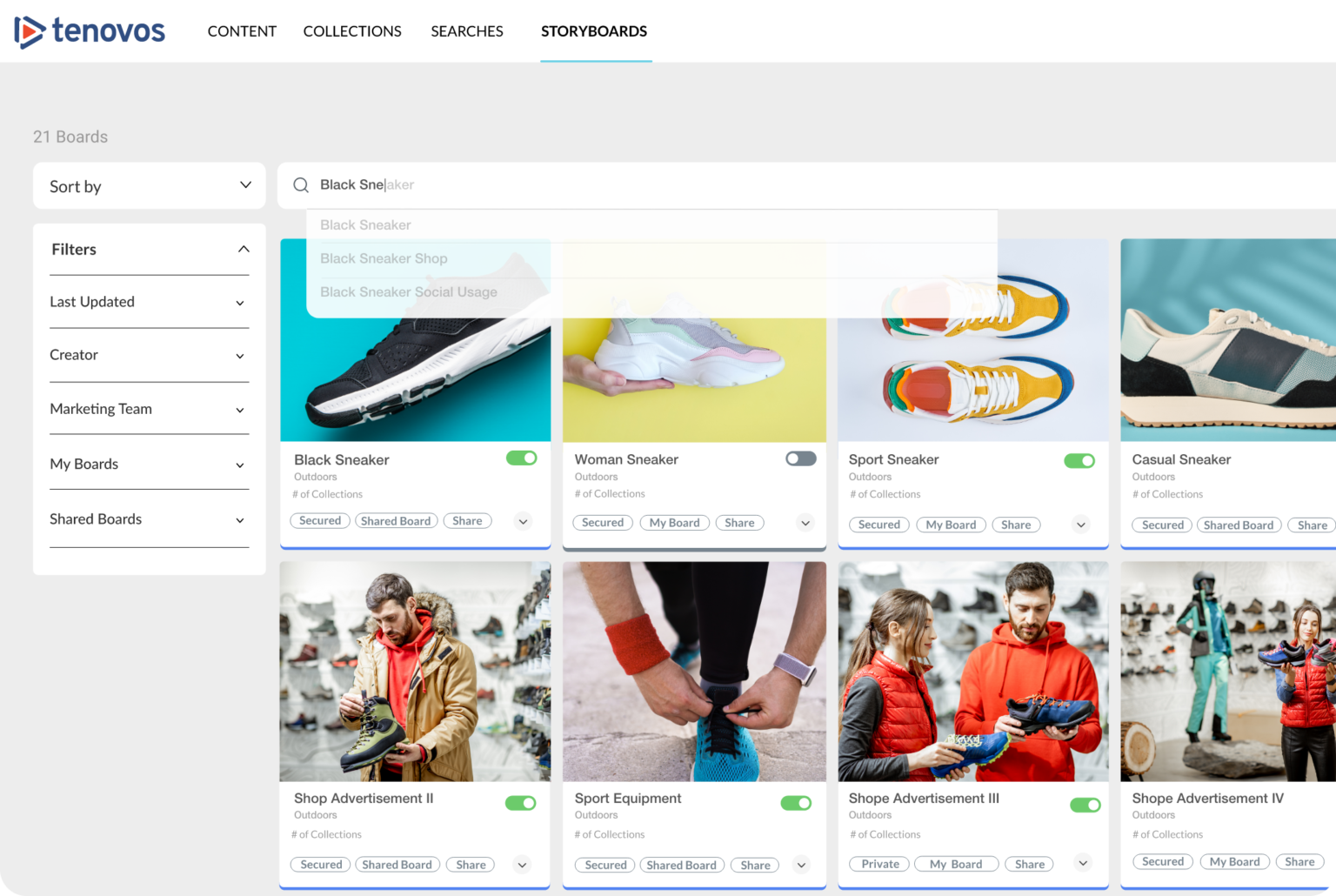
An organization’s ability to collaborate seamlessly with team members across — and outside of — the organization is also a key indicator of the success of a DAM implementation. Marketing doesn’t happen in a single silo; from research to ideation, to creation to deployment, marketing is interconnected and interdisciplinary. A modern DAM platform should connect the enterprise in such a way that it simplifies the creative life cycle and enables marketers to reduce the friction and time required to launch each new campaign.
Data-Driven Marketers Need Data-Driven Technology
The reality is that many of the DAM solutions available on the market currently have not kept pace with the evolving needs of the increasingly data-driven marketing operation; they’re often expensive, difficult to implement, and don’t deliver the user experience marketers and creative professionals have come to expect from their technology. Seen from this angle, it’s not surprising that many organizations are hesitant to invest heavily in a new system that is not capable of demonstrating a return on investment.
Brands need modern DAM platforms that not only enable them to meet the demands of marketing in the digital age, but also help them to demonstrate — and improve — their ROI. Marketers should expect their DAM platform to provide:
- A data-first approach to asset management that allows brands to measure and optimize their processes and their content to provide increasingly personalized experiences
- A seamless user experience that drives adoption and enables teams across the world to collaborate easily
- Performance and optimization capabilities underpinned by artificial intelligence and machine learning
- Continuous improvement and delivery to support the demands of a global omnichannel enterprise
At the end of the day, companies implement a DAM solution in order to optimize their processes and improve their ability to tell the compelling stories that are central to a successful marketing operation. This optimization should come not only in the form of improving the speed of creation, but also the strategy behind a given campaign. A system that has access to all of the contextual data that surrounds your every asset should be able to distill those data into insights that inform the creation of future content.
A modern, data-first DAM should act not only as a content database but also as a source of insight to enable marketers to make smarter creative decisions, which in turn allows them to tell stories that matter to their audience.
Want to know what types of data your DAM should be providing? Reach us at marketing@sifycorp.com
Written by Michael Waldron, CMO, Tenovos

RISE with SAP BTP
Introduction
SAP has unleashed its campaign of ‘RISE with SAP’ and it has been received very well by SAP customers and ERP prospects worldwide. RISE with SAP transitions ERP data (in the form of SAP ECC6.0 on-premise or SAP S/4 HANA on-premise) to the cloud (public or private) with less risk and without compromise. The bundle of ERP software, transformation services, business platform and analytics is quite an attractive offer to SAP customers having hosted SAP on-premise.
This article delves into the business platform and analytics which is clubbed under ‘Business Technology Platform’ (hereafter called as BTP).
SAP BTP is a cloud-based platform-as-a-service (PaaS) offering from SAP, which provides a set of tools and services for developing, integrating, and extending SAP applications and solutions. SAP BTP supports various cloud deployment models, including public, private, and hybrid clouds, and allows developers to build, deploy, and run their applications using SAP’s cloud infrastructure.
Four pillars of SAP BTP – It encompasses various capabilities that are categorized into following four pillars:-
1. Integration
This feature gives everything that is needed for agile business process innovation, extension, and integration in the cloud and in hybrid scenarios. You can easily integrate different systems, extend your current application, or create new solutions for your business needs with ideal user experience using the SAP Fiori interface. SAP Extension Suite provides various services that can be leveraged to build and extend SAP solutions. SAP Integration Suite (formally known as SAP Cloud Platform Integration -CPI Suite) lets you seamlessly integrate SAP and non-SAP solutions, both on-premise and in the cloud. SAP Integration Suite covers not only A2A and b2B integration scenarios but B2G(Business to Government) integration scenarios as well.
Currently, SAP provides over 2000+ pre-packed integration scenarios for different business processors. These out-of-the-box integration scenarios are ready-to-use, require minimum development effort, and cover a range of business process integrations. (Check out https://api.sap.com/ for details).
With the introduction of SAP Integration Suite, SAP PI/PO would be getting phased out in near future.
2. SAP Build
It enables everyone – no matter the skill level – to rapidly create and augment enterprise-grade apps, automate processes and tasks, and design business sites with drag-and-drop simplicity.
SAP Build brings together SAP Build Apps (formerly SAP AppGyver), SAP Build Process Automation (formerly SAP Process Automation), and SAP Build Work Zone (formerly SAP Work Zone) into a unified development experience with new innovations to rapidly build apps, automate processes and create business websites.
Low-code / No-code development – Low-code uses both a traditional programming language-based environment combined with no-code platforms and is used by developers with at least basic technical knowledge.
No-code is simpler, and it fully replaces the traditional programming language-based tooling with a suite of visual development tools (ex. drag-and-drop components) and can be used by technical and non-technical people alike.
3. Data and Analytics
The SAP Data sphere component enables accessing authoritative data, helps harmonizing heterogeneous data and thereby simplifies the data landscape.
The SAP Master Data Governance enables operating on high quality, consistent master data and established a comprehensive master data governance
SAP Analytical cloud – It is a single solution for business intelligence and enterprise planning, augmented with the power of artificial intelligence, machine learning technology, and predictive analytics. It helps everyone in your organization make better decisions and act with confidence.
SAP Analytics Cloud removes silos, empowers business analysts, and unifies a company’s decision-making processes by combining business intelligence, augmented analytics, and enterprise planning into one product. It helps in achieving 360° insights with a single connected analytics platform.
4. Artificial Intelligence
It enables business applications and processes more intelligent with the power of AI on SAP Business Technology Platform. Its pre-trained AI models accelerate infusion of AI into Apps. It helps managing the AI model lifecycle into one central place and ensures AI deployment responsibly with transparency and compliance.
SAP solutions such as SAP Intelligent Robotic Process Automation (SAP Intelligent RPA) and machine learning let you automate the kind of complex, repetitive decisions that make up a significant portion of business processes.
Service Catalog – SAP has come up with a rich repository of readily available 96 services encompassing one or more of the four pillars mentioned earlier. They help in integrating and extending your solutions, optimizing your business processes, and thereby creating an engaging digital experience using SAP Business Technology Platform services. Just to give an idea, some of the services are listed below:
- Automation pilot – Simplify the operational effort behind any cloud solution in the SAP BTP.
- Cloud foundry runtime – It lets you develop polyglot cloud-native applications and run them on the SAP BTP Cloud Foundry environment
- Cloud Integration for data services – To integrate data between on-premise and cloud on a scheduled/batch-mode basis.
- Continuous Integration and Delivery (CI/CD) – It lets you configure and run predefined continuous integration and delivery pipelines that automatically build, test, and deploy your code changes to speed up your development and delivery cycles.
- Identity provisioning – Lets you manage Identity Lifecycle processes for cloud and on-premise systems
- Kyma runtime – Develop and run containerized applications and extensions on Kubernetes. Kyma runtime is a fully managed Kubernetes runtime based on the open-source project “Kyma”. This cloud-native solution allows the developers to extend SAP solutions with serverless functions and combine them with containerized microservices. The offered functionality ensures smooth consumption of SAP and non-SAP applications, running workloads in a highly scalable environment, and building event- and API-based extensions.
- SAP AI core – It enables building a platform for your artificial intelligence solutions. It is designed to handle the execution and operations of your AI assets in a standardized, scalable, and hyper-scaler-agnostic way. It provides seamless integration with your SAP solutions. Any AI function can be easily realized using open-source frameworks. SAP AI Core supports full lifecycle management of AI scenarios.
SAP BTP Deployment – Salient points:
- Regions – You can deploy applications in different regions. Each region represents a geographical location (for example, Europe, US East) where applications, data, or services are hosted. A region is chosen at the subaccount level. For each subaccount, you select exactly one region. The selection of a region is dependent on many factors: for example, application performance (response time, latency) can be optimized by selecting a region close to the user. The global account itself is also running in a region.
- Environments – Environments constitute the actual Platform as a Service offering of SAP BTP that allows for the development and administration of business applications. Environments are anchored in SAP BTP on the subaccount level.
Each environment comes equipped with specific tools, technologies, and runtimes that you need to build applications. So a multi-environment subaccount is your single address to host a variety of applications and offer diverse development options. One advantage of using different environments in one subaccount is that you only need to manage users, authorizations, and entitlements once per subaccount, and thus, grant more flexibility to your developers.
- SAP BTP can have one or more global accounts. Global accounts are associated with license or contract which your company has with SAP BTP. Global account takes care of the license and contract and whatever the activities you perform or how you are billed is managed by global account.
- Global accounts are linked with entitlements which are passed down to subaccounts. Entitlements are the kind of resources provided to you based on the license that you purchased.
- Sub account is the place where you will be creating your PaaS environment(cloud foundry/Kyma).
- SAP BTP Cockpit – The SAP BTP cockpit is the central user interface for administering and managing your SAP BTP accounts as a platform user. To access the SAP BTP cockpit, you need to open a specific URL ‘https://cockpit.<region>.hana.ondemand.com’. You can replace the <region> with the one you are operating in (for example: eu10, us10, ap10) to have a lower response time and latency to the cockpit. After logging in with your user credentials, you might get prompted with a pop-up to choose the global account you want to access. Of course, you are able to switch between the global accounts as and when needed.
- Working with the SAP BTP cockpit is the easiest way to manage and administer your SAP BTP accounts.
Conclusion:
SAP has come up with a lot of helpful resources related to BTP including use cases, case-studies, readily available services, pre-packed integration scenarios, tutorials etc. BTP offers a rich load of tools/services which would enable your organization’s business transformation and expedite your digitization journey. It needs to be fully leveraged when you opt for ‘RISE with SAP’.