


Blogs and Articles

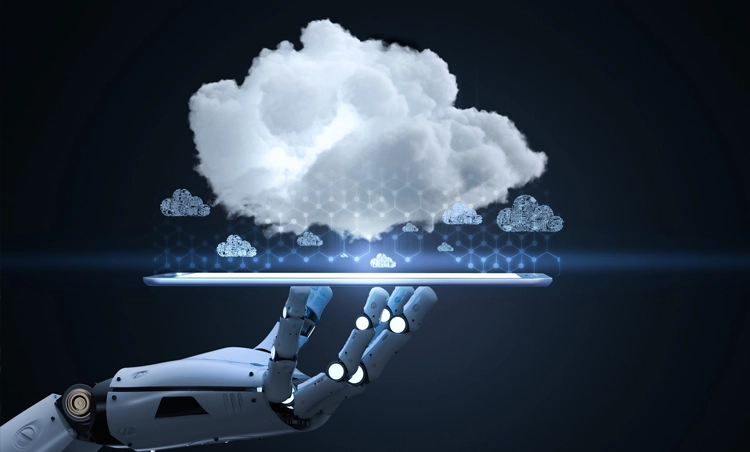
Cloud Performance Optimization for AI Models: What Most Enterprises Miss
Most enterprises don’t arrive at managed SD-WAN out of curiosity. They arrive there through experience.

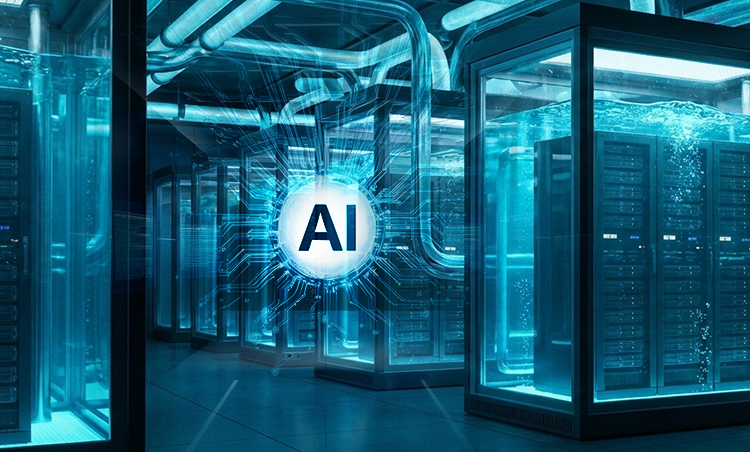
Data Center Cooling for AI Workloads: Why Liquid Cooling Is Becoming Non-Negotiable
Most enterprises don’t arrive at managed SD-WAN out of curiosity. They arrive there through experience.

Why managed SD-WAN is becoming the backbone of distributed, AI-powered enterprises
Most enterprises don’t arrive at managed SD-WAN out of curiosity. They arrive there through experience.

AI Network Monitoring: How Intelligent Observability Helps Enterprises Stay Ahead of Outages
Most enterprises already monitor their networks. Dashboards track utilization. Alerts trigger when thresholds are crossed. Logs are collected in vast quantities.

GPU Data Center Solutions: How Enterprises Can Future-Proof Their AI Strategy
Artificial intelligence has moved decisively from experimentation to execution. Across industries, enterprises are no longer asking whether AI will reshape their business; but how fast they can operationalize it at scale.
Hybrid Cloud for AI: The Smartest Way to Balance Cost, Compliance, and Compute Power
Artificial intelligence has fundamentally changed how enterprises think about cloud strategy. What once worked for application hosting or digital transformation does not automatically scale for AI.
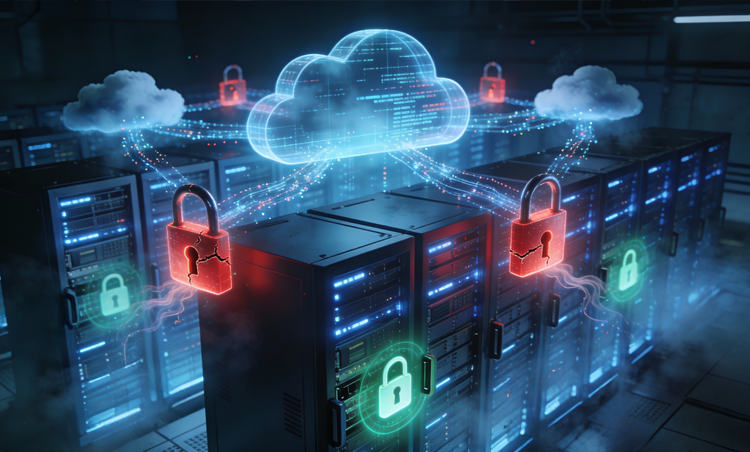
Cloud Access Control Issues That Expose Critical Workloads
Cloud access control issues have quietly become one of the most dangerous — and least visible — threats to enterprise security.
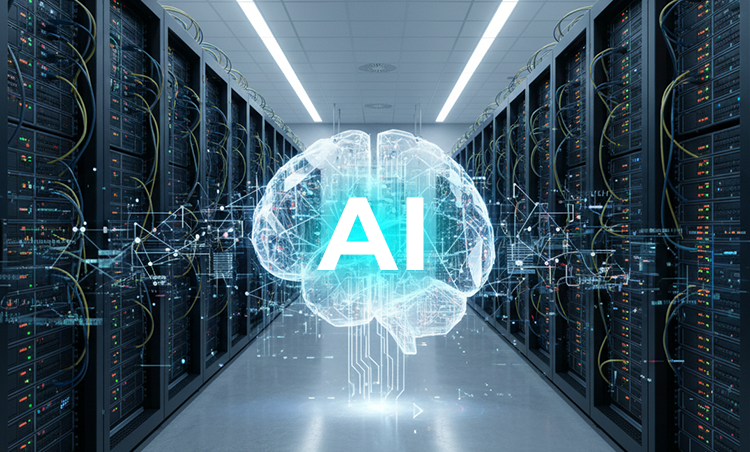
When AI Moves Faster Than Controls: Rethinking Data Center Security and Compliance
Enterprise data centers were built for a different era — one defined by predictable applications, static data flows, and clearly bounded trust zones.

Data Center Security and Compliance Gaps That Put AI Workloads at Risk
As enterprises scale AI, data centers must host GPU clusters, high-density compute racks, and massive training datasets. These environments behave very differently from traditional IT systems, which were predictable, centralized, and easier to secure.